
Creating a memorial garden that lasts for generations
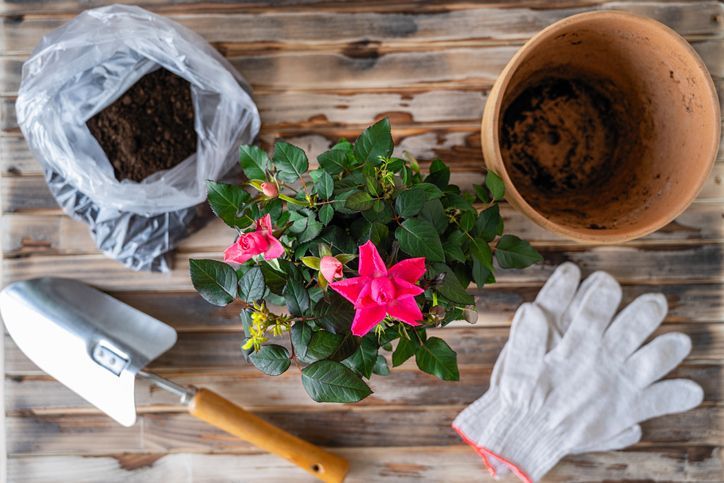
My Grandmother had a very special knack for gardening. At her funeral, our family shared her passion for turning any old patch of dirt into a beautiful garden. In the photo collages you saw the plants growing over the years alongside family members. Where there was once a toddler standing next to a small plant in one photo there is now a grown man standing next to large leaves and branches of that same plant in the next. Now as we think back over our memories and look on to our own garden, we feel a bond to her and share the same passion for nature.

Every spring my heart swells as I see the tips of green start to sprout at the edge of my yard where I transplanted irises from my grandmother’s garden. These same irises once laid in her mother’s garden as well. It is a connection I have with them that I cherish and look forward to. After the loss of a loved one there can seem like a void is present in your life. Having a way to feel bonded with them can help ease some of that grief.

When I began transplanting flowers from my grandmother’s garden to my own, I started to create a place that I could go to be close to her. I learned a lot about moving plants (mostly through trial and error) and I’m sharing my best tips to help you in your journey of creating a memorial garden that will carry on through generations.

Transplanting bulbs:

The best time to transplant spring bulbs (like tulips, daffodils and irises) is in summer or fall, once the foliage has sufficiently died back. If it is not possible to wait until the bulb is dormant before transplanting, you need to take extreme care to protect the growing parts of the bulb. If the bulbs are clumped together, you will need to transplant the entire clump together. The roots of the bulbs will be entwined; trying to separate them will damage the roots and kill the bulbs.

Transplanting bushes and shrubs:

Give the plant a good trim by cutting off about 1/3 of the plant foliage. This way your transplanted bush or tree can focus on re-growing the root system. It is very important to dig deep and wide. The more roots you get, the more successful the transplant, with less transplant shock. Deeply water regularly. Keep the soil moist, not wet for 3-4 weeks. This helps roots to re-establish themselves.

Transplanting perennial flowers:

The rule of thumb for deciding which perennials (plants that come back year after year) to transplant or divide is based on bloom time. Late summer and fall bloomers are suited for moving in the spring while spring and early summer flowering perennials can be transplanted in fall.

Gardening has helped me in my grieving in several ways. I found peace of mind putting my hands in the soil, I was burying my worries and sadness as I shoveled. In tending to the plants, I was tending to my grief.

“To plant a garden is to believe in tomorrow” – Aubrey Hepburn

By Funeral Home July 23, 2026
A practical checklist of essential end-of-life legal, financial, and final wishes documents every family should organize to bring peace of mind.
By Funeral Home July 23, 2026
A practical checklist of essential end-of-life legal, financial, and final wishes documents every family should organize to bring peace of mind.
June 22, 2026
What are the first steps when a loved one passes away? The first step is to notify the proper authorities. If your loved one passes at home, you’ll need to contact emergency services. If the passing occurs in a hospital or care facility, staff will guide you through the next steps. Once this has been done, you can contact a funeral home. Our team is available to help you begin arrangements and coordinate transportation of your loved one into our care. Do I need to plan the funeral right away? While some decisions need to be made relatively quickly, you do not have to finalize every detail immediately. We will help you prioritize what needs to be handled first and give you time to consider the more personal elements of the service. What types of funeral services are available? There are several options available depending on your preferences, beliefs, and budget. These may include: Traditional funeral services with a viewing and burial Memorial services (held after burial or cremation) Graveside services Celebration of life Cremation services with or without a formal ceremony We are here to help you create a meaningful service that reflects your loved one’s life. How much does a funeral cost? Funeral costs can vary widely depending on the services and options selected. Factors that may influence cost include: Burial or cremation choice Casket or urn selection Venue and staffing Transportation Printed materials and flowers We are committed to transparency and will walk you through all options to help you make decisions that align with your needs and budget. Can I personalize the service? Absolutely. Personalization is one of the most meaningful parts of a funeral service. Families often include: Favorite music or readings Photo displays or memory tables Video tributes Special themes or colors Cultural or religious traditions Our goal is to help you create a service that truly reflects your loved one’s personality and legacy. What should I bring to the arrangement meeting? It’s helpful to bring: A recent photo of your loved one Clothing for burial or cremation Personal information (full name, date of birth, Social Security number, etc.) Military discharge papers (if applicable) Preplanning documents (if arrangements were made in advance) Don’t worry if you don’t have everything—we can guide you through what’s needed. What is preplanning and is it necessary? Preplanning allows individuals to make their own funeral arrangements in advance. While it is not required, it can ease the burden on loved ones and ensure that personal wishes are honored. Many families find comfort in knowing these decisions have already been made. What happens after the service? After the service, we continue to support families by: Assisting with necessary paperwork Providing grief resources Helping coordinate burial or cremation follow-up Offering guidance on memorialization options Our care does not end after the service—we are here for you in the days and months that follow. We’re Here to Help Planning a funeral is never easy, but you don’t have to do it alone. Our compassionate team is here to answer your questions, guide you through each step, and help you create a meaningful tribute for your loved one. If you have additional questions or would like to begin planning, please don’t hesitate to reach out.
April 13, 2026
In recent years, the phrase “celebration of life” has become more common when families are planning services for a loved one. While many people have heard the term, there can still be confusion about what it truly means and how it differs from a traditional funeral. At its heart, a celebration of life is not about replacing tradition, but about offering a more flexible, personalized way to honor and remember a life. A celebration of life is a personalized service that focuses on honoring the unique story, personality, and legacy of the individual who has passed. While it can be held in a variety of locations, many families choose to gather in the comfort of a funeral home chapel, where they have both guidance and the ability to customize the experience. These services most often take place after cremation, which allows families more time to plan and create a meaningful tribute. However, every family’s preferences are different, and services can be arranged in whatever way feels most appropriate. No two celebrations of life are exactly the same, because no two lives are the same. One of the most meaningful aspects of a celebration of life is the ability to incorporate personal touches that reflect the life being honored, even within a chapel setting. Families may choose to include themed elements that represent a loved one’s passions, hobbies, or personality. This could be as simple as displaying favorite photos and memorabilia, or as unique as incorporating colors, music, or décor that reflect what they loved most in life. Memory tables, tribute videos, and customized music selections can all be seamlessly incorporated into a chapel service. Some families also invite guests to participate by sharing stories or bringing items that hold special meaning. This blend of personalization within a supportive, structured environment often provides both comfort and creativity during a difficult time. A celebration of life offers families the opportunity to gather in a familiar, supportive setting while creating a service that truly reflects their loved one. By combining the comfort of a chapel with the flexibility of personalization, it becomes a meaningful way to honor a life and share memories with those who matter most. There is no right or wrong way to plan a service. The most important thing is creating a space that feels genuine, supportive, and reflective of the person being remembered.
More Posts »

More Resources & Support